
Fashion Development & Apparel Manufacturing Insights

2026 How to Start Cut and Sew Garment Manufacturing Business?
Table of Contents
- Understanding the Cut and Sew Garment Manufacturing Process
- Identifying Your Target Market and Niche in Fashion Industry
- Setting Up the Necessary Equipment and Workspace for Production
- Sourcing Quality Fabrics and Materials for Garment Manufacturing
- Developing a Comprehensive Business Plan for Your Startup
- FAQS
- Conclusion
- Related Posts
Starting a cut and sew garment manufacturing business can be both exciting and challenging. This industry thrives on creativity and precision. It’s essential to understand the core elements that drive success. Many entrepreneurs dive in without fully grasping these aspects.
The cut and sew garment manufacturing process involves intricate design and efficient production. Knowledge of fabric types, sewing techniques, and market trends is vital. Understanding your target market will help shape your product offerings. Research is key to identifying consumer needs and preferences.
Many new business owners face hurdles, such as managing costs and finding reliable suppliers. It’s important to build strong relationships with fabric vendors and skilled labor. Reflecting on initial setbacks can lead to better strategies. Embrace the learning curve as you navigate this competitive landscape.
Understanding the Cut and Sew Garment Manufacturing Process
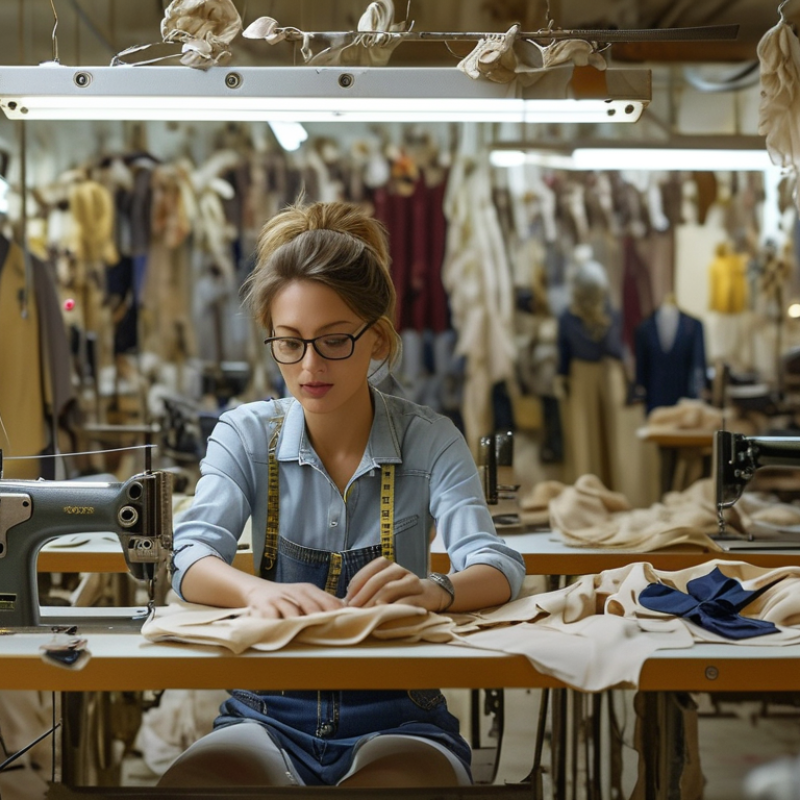
The cut and sew garment manufacturing process begins with design and pattern making. Designers create sketches that reflect the vision for the clothing item. Once a design is approved, patterns are made, serving as templates. Patterns guide the cutting of fabric, which is a critical step. Precise cutting is essential to reduce waste and ensure that pieces fit together perfectly during assembly.
An important aspect of the manufacturing process is the selection of fabrics. Different materials have unique properties, affecting durability and comfort. It’s crucial to test samples before committing to large orders. Additionally, sewing techniques vary and can dramatically affect the final product's quality. Seeking advice from experienced professionals can provide insights into best practices.
Quality control plays a vital role in the cut and sew process. Inspecting the garments at various stages ensures that they meet standards. However, mistakes can happen. Some items may not meet quality expectations, leading to rework or rejection. Embracing these challenges can foster growth and improvement in production methods. Observing the production line allows manufacturers to identify issues early, preventing larger problems later on.
Cut and Sew Garment Manufacturing Process: Production Stages Comparison
Identifying Your Target Market and Niche in Fashion Industry
Identifying your target market in the fashion industry is critical for your cut and sew garment manufacturing business. Start by conducting thorough research. Explore current trends, consumer preferences, and emerging markets. Use surveys or social media analytics to gather insights. This step helps you understand who your potential customers are.
Consider demographics and psychographics. Are you targeting young adults, professionals, or a specific lifestyle community? Each group has distinct preferences. For example, eco-conscious consumers increasingly seek sustainable garment options. Tailoring your offerings to their values can enhance market appeal.
Be open to reflecting on your findings. It's common to encounter unexpected results. Perhaps your initial ideas don't resonate as you imagined. Use this feedback to pivot your strategy. Adaptability is essential in this ever-changing industry. Engaging with your audience and remaining responsive can foster long-term loyalty.
Setting Up the Necessary Equipment and Workspace for Production
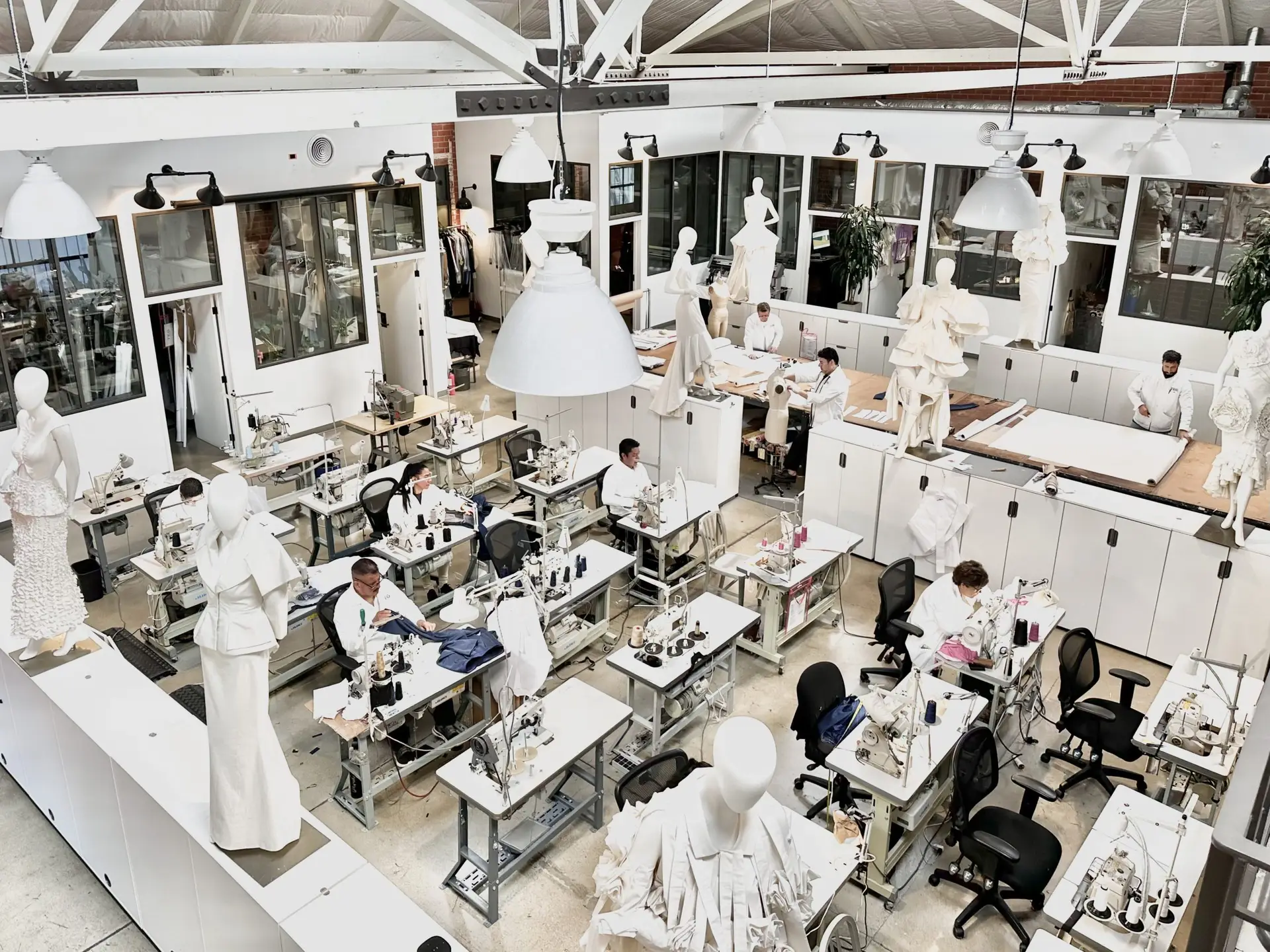
Setting up your cut and sew garment manufacturing business starts with a well-planned workspace. According to a report by Statista, the global apparel market was valued at approximately $1.5 trillion in 2020. Effective workspace organization can significantly enhance productivity. A dedicated space for cutting, sewing, and finishing garments should be well-organized. Each section must have easy access to tools, fabrics, and machinery.
Essential equipment includes industrial sewing machines, cutting tables, and fabric storage units. Research indicates that investing in high-quality machines can lead to a 20% increase in efficiency. However, purchasing equipment can be a major financial burden. Start with essential machines and gradually upgrade as demand grows.
Lighting and ventilation are often overlooked, but they are critical for a safe workspace. Poor lighting can lead to defects and eye strain. Make sure to maintain a clean, clutter-free environment. Regularly assess the workflow for areas of improvement. Balancing initial costs and operational efficiency remains a challenge for new business owners. Keeping an open mind about modifications can lead to ongoing enhancements in the workspace.
2026 How to Start Cut and Sew Garment Manufacturing Business? - Setting Up the Necessary Equipment and Workspace for Production
| Equipment/Workspace | Description | Estimated Cost (USD) | Quantity Needed |
|---|---|---|---|
| Industrial Sewing Machine | Used for stitching fabric pieces together | 1,500 | 5 |
| Cutting Table | Large surface for laying out fabric and cutting | 600 | 2 |
| Ironing Station | For ironing seams and finished garments | 300 | 2 |
| Fabric Roll Storage | Shelving for storing fabric rolls | 400 | 3 |
| Workbenches | Tables for sewing and assembly processes | 250 | 6 |
| Lighting | Adequate lighting for workspaces | 150 | 10 |
| Safety Equipment | Includes first aid kits, fire extinguishers, etc. | 200 | 1 |
Sourcing Quality Fabrics and Materials for Garment Manufacturing
Sourcing quality fabrics and materials is crucial for any garment manufacturing business. High-quality fabrics enhance the final product. They influence the look, feel, and durability of garments. When selecting fabrics, take time to explore various options. Natural fibers like cotton and wool provide comfort and breathability. Synthetic fabrics, such as polyester, offer durability and versatility. Each type has its pros and cons.
Establish connections with multiple suppliers. This ensures access to a wider selection of materials. Evaluate suppliers based on their reliability and quality standards. Request samples before making bulk orders. This small step can prevent costly mistakes. Ask questions about fabric origin and production processes. The sourcing journey is often challenging. Prices can vary dramatically, and quality may not meet expectations. It’s essential to remain flexible and open to feedback.
Regularly reassess your fabric choices. Trends may shift, and customer preferences can change. Stay informed about innovations in textile production. This awareness can set your business apart. Building a solid supply chain takes time. A few setbacks are inevitable. Learning from these experiences will strengthen your business foundation. Aim for a balance between quality and cost-effectiveness. Every fabric decision shapes your brand's reputation.
Developing a Comprehensive Business Plan for Your Startup
Creating a business plan for your cut and sew garment manufacturing startup is crucial. It should outline your vision and mission.
Identify your target market early on. Research your competitors thoroughly. Consider the trends in the garment industry. Define what makes your brand unique. This will guide your decisions in the future.
Financial projections are a key component of your plan. Estimate startup costs, including equipment and labor. Understand your pricing strategy. Will you cater to high-end fashion or affordable basics? Be honest about potential risks. Acknowledge areas where you may lack expertise. Your plan should include strategies to overcome these challenges.
Incorporate a marketing strategy in your comprehensive plan. How will you reach customers? Social media, online ads, or trade shows? Reflect on past marketing experiences. What worked and what didn’t? Build relationships with suppliers for reliable sourcing. A well-thought-out plan can attract investors. Stay adaptable as the market evolves.
FAQS
: Quality fabrics enhance the look, feel, and durability of garments.
Natural fibers like cotton offer comfort, while synthetic fabrics like polyester provide durability.
Connect with multiple suppliers and evaluate their reliability and quality standards.
Yes, requesting samples can prevent costly mistakes in bulk orders.
Ask suppliers about the origin and production processes of fabrics.
Regular reassessment is essential as trends and customer preferences may change.
It should outline your vision, target market, competitors, and unique brand aspects.
Consider equipment, labor, and potential pricing strategies in your projections.
Reflect on social media, online ads, and trade shows to reach customers.
Yes, being honest about potential risks helps in creating solutions for challenges.
Conclusion
Starting a cut and sew garment manufacturing business requires a thorough understanding of the entire production process. This involves grasping the intricacies of cutting and sewing fabrics to create fashionable apparel. Identifying your target market is essential, as it allows you to carve out a niche within the competitive fashion industry.
Setting up a practical workspace with the right equipment is crucial for efficient production. Equally important is sourcing quality fabrics and materials, which can significantly impact the final product's appeal and durability. Finally, developing a comprehensive business plan will guide your startup, helping you navigate challenges and growth opportunities in the cut and sew garment manufacturing sector.

Blog Tags: